Mobile Sequencing Methods for Football Accumulators and Racing Place Markets
Written by Sage Vogel · Aug 24, 2026
Mobile Sequencing Methods for Football Accumulators and Racing Place Markets
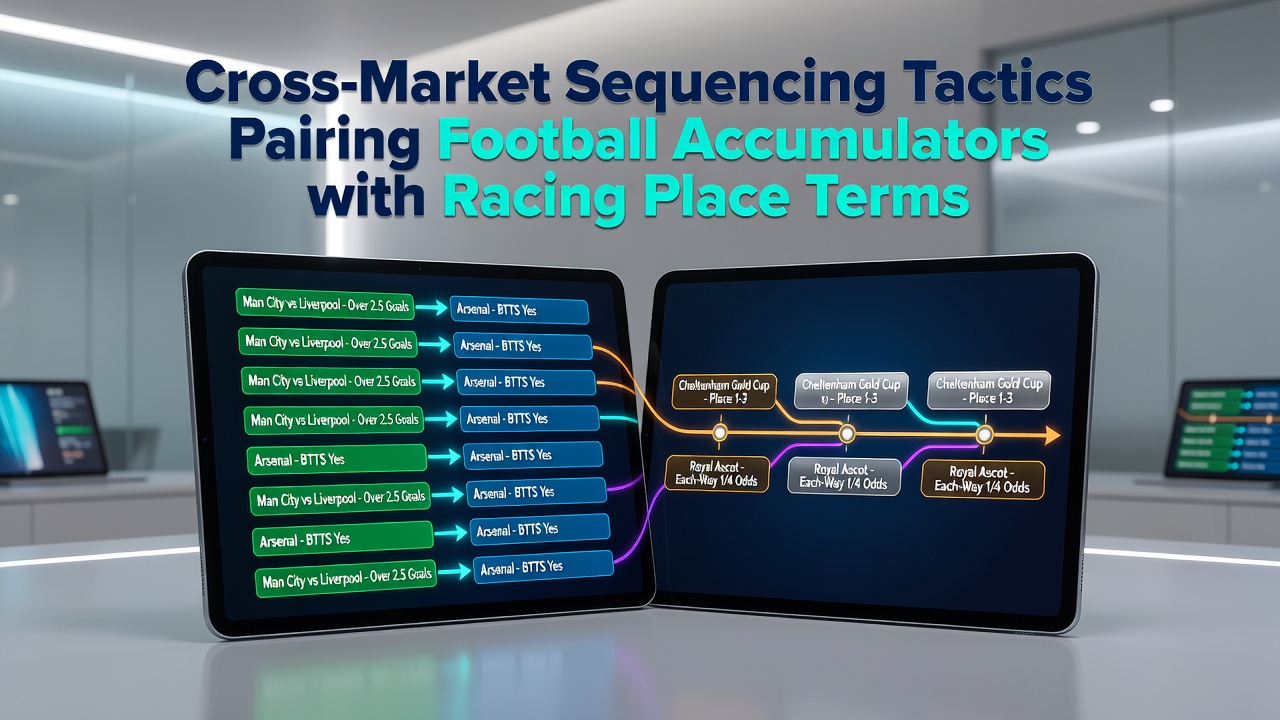
Sequencing tactics on portable interfaces allow users to structure football accumulator bets in coordination with racing place terms through timed entry points and market correlations that data from multiple platforms has tracked over recent seasons. Observers note that these approaches often involve monitoring live odds updates on one sport while locking in place positions on another, creating layered positions that respond to shifting probabilities across both markets.
Platform Capabilities and Data Integration
Portable interfaces now incorporate real-time feeds that pull football match statistics together with racing form guides, enabling users to sequence entries where an accumulator leg completion can trigger adjustments in racing place stakes. Studies from research institutions indicate that synchronization tools on these devices handle multiple data streams simultaneously, allowing calculations based on current goal probabilities to influence place term selections without requiring separate application switches.
Figures from industry reports show participation in cross-market activities rose during the summer months leading into August 2026, with mobile traffic accounting for the majority of combined football and racing wagers. Those who analyze transaction patterns find that interfaces with integrated sequencing features reduce the steps needed to adjust accumulator components when racing results alter place market dynamics.
Correlation Patterns Between Markets
Research indicates that certain football accumulator structures align with racing place terms when timing overlaps occur between match schedules and race meetings. Data shows correlations emerge during periods when major leagues resume alongside festival racing calendars, creating opportunities for sequenced entries that account for both goal margins and place finishes.
One analysis of betting volumes revealed that users frequently pair accumulator outcomes on midweek fixtures with place bets on the same evening's racing cards, using mobile alerts to monitor both simultaneously. According to reports compiled by the European Gaming and Betting Association, such patterns appear consistently across platforms that offer unified dashboards for multiple sports.
Technical Execution on Portable Devices
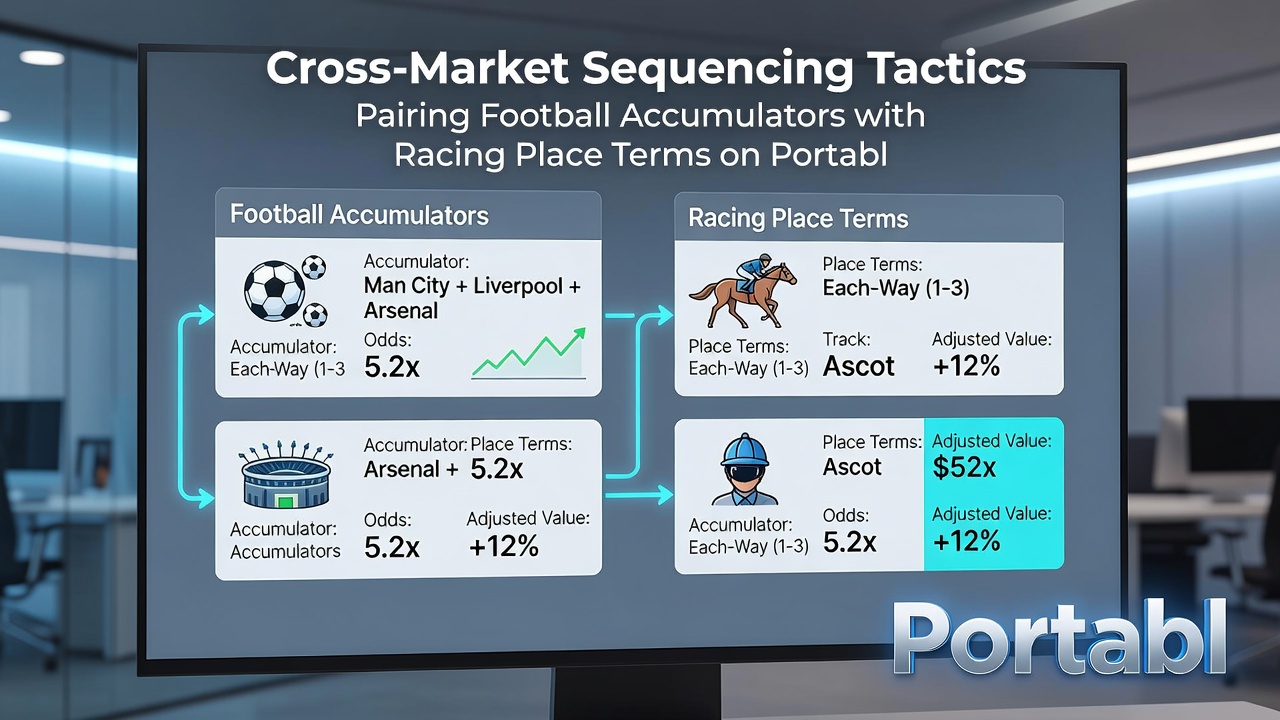
Users execute these tactics by establishing initial accumulator selections on football markets then layering racing place terms through the same interface session, often utilizing quick-edit functions that preserve prior stakes while incorporating new variables. Platform logs demonstrate that this method maintains continuity across sessions, which becomes relevant when live updates from one market require recalibration of the other.
Applications equipped with notification systems deliver updates on both football scorelines and racing results in sequence, supporting adjustments that reflect place market movements tied to accumulator progress. Those who track user behavior note that interfaces supporting drag-and-drop sequencing reduce errors in stake allocation compared with manual entry methods across separate sections.
Market Timing Considerations
Timing remains central because football accumulator legs resolve at different intervals than racing place terms, requiring users to anticipate resolution windows on portable interfaces. Evidence from transaction data collected through August 2026 indicates higher activity levels when evening racing meetings coincide with late football fixtures, allowing sequenced entries to span both timeframes within a single mobile session.
Interfaces that display combined timelines help users identify overlap periods where a football result can inform racing place adjustments before markets close. Reports from academic sources on betting patterns confirm that such coordination appears more frequently on devices with larger screen real estate, where multiple markets remain visible without scrolling interruptions.
Conclusion
Cross-market sequencing on portable interfaces continues to evolve through platform updates that integrate data from football and racing sources into unified workflows. Information from regulatory bodies in various regions and ongoing industry analyses shows sustained interest in these methods as device capabilities expand to handle simultaneous market monitoring.